Focused color transfer
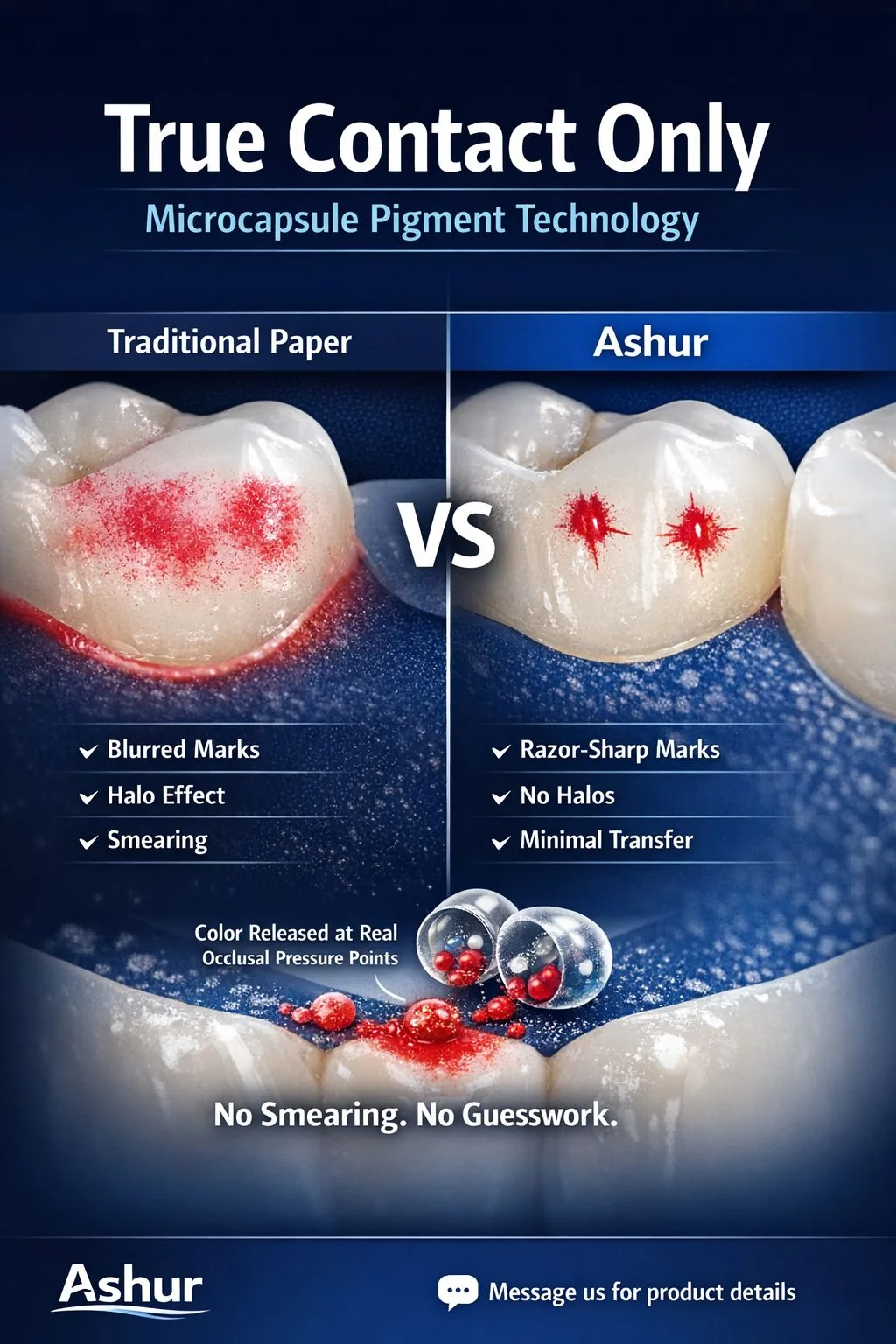
The color-transfer layer releases marking material under pressure to help show contact locations.
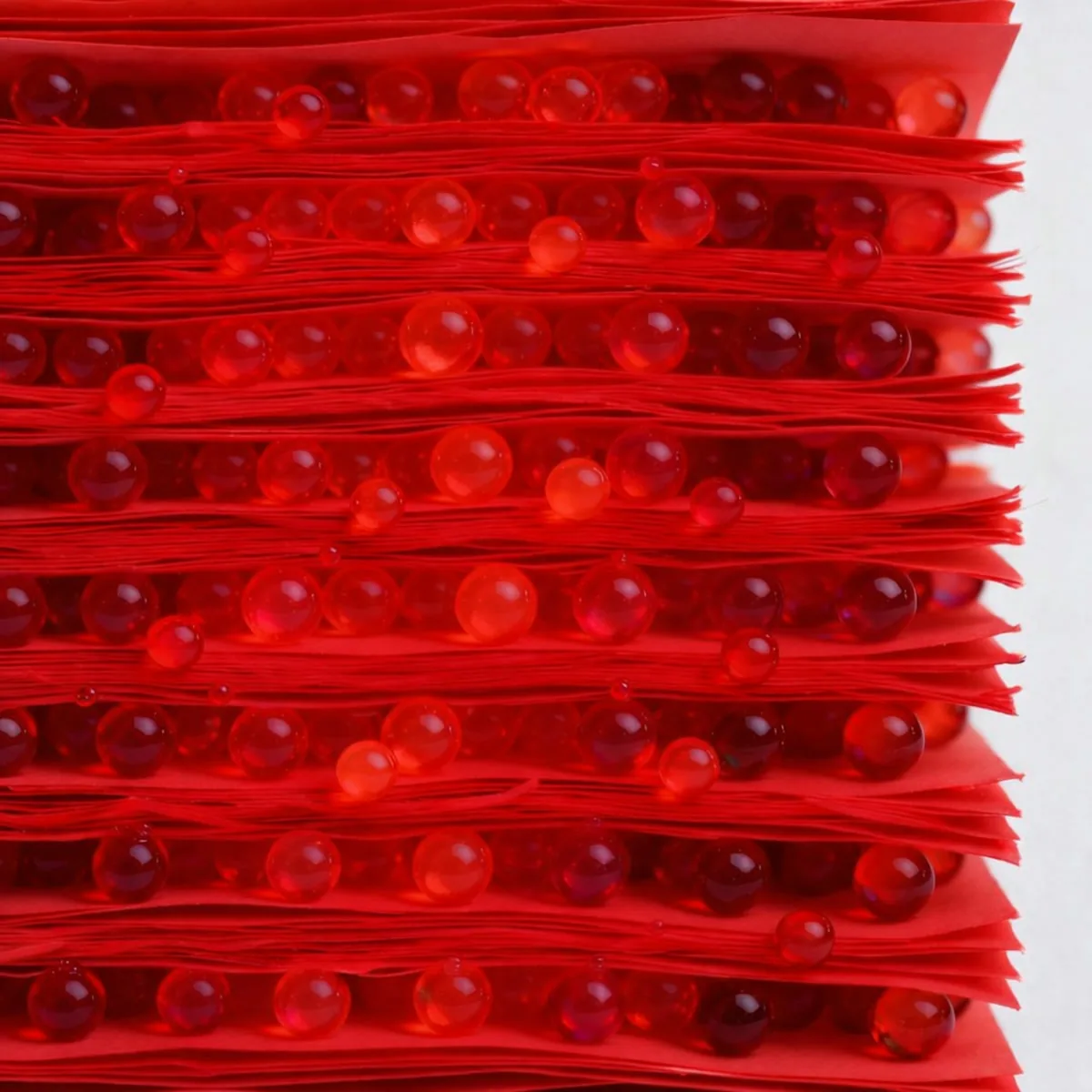
ASHUR microcapsule dental articulating paper uses a color-transfer layer to help visualize occlusal contact locations. Multiple thickness options are available for selection according to the product instructions and clinical judgment.
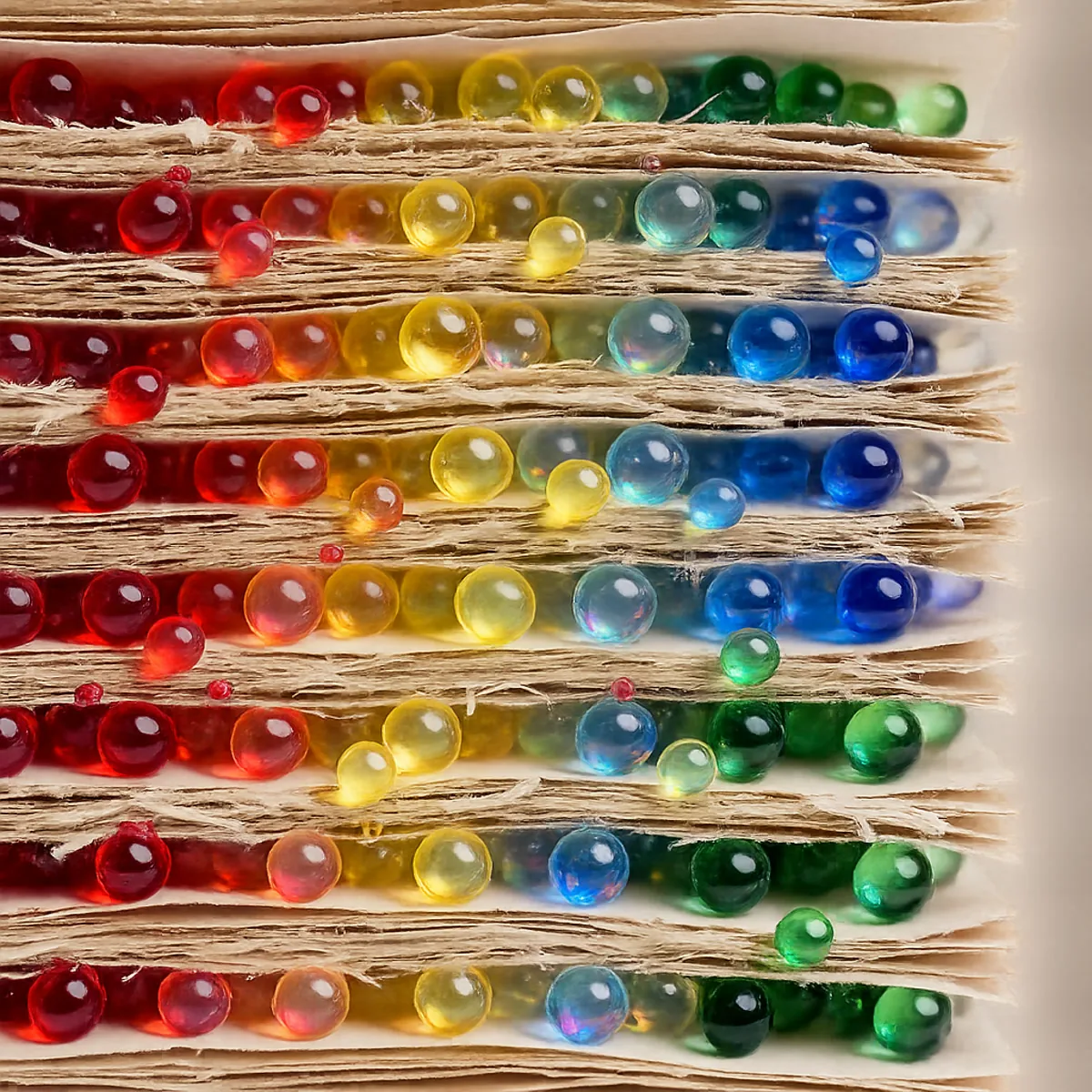
The color-transfer layer releases marking material under pressure to help show contact locations.
Five nominal thickness options from 8 μm to 200 μm are shown. Confirm the appropriate selection through the product materials.
Multiple color options are available. Refer to the current product list to confirm available colors and configurations.
The thickness range supports discussion of different contact-checking options. Appropriate use depends on the case and the product instructions.
Use the public Knowledge Center to review articulating-paper basics, thickness context, and selection factors without turning specification lists into assumed variants.
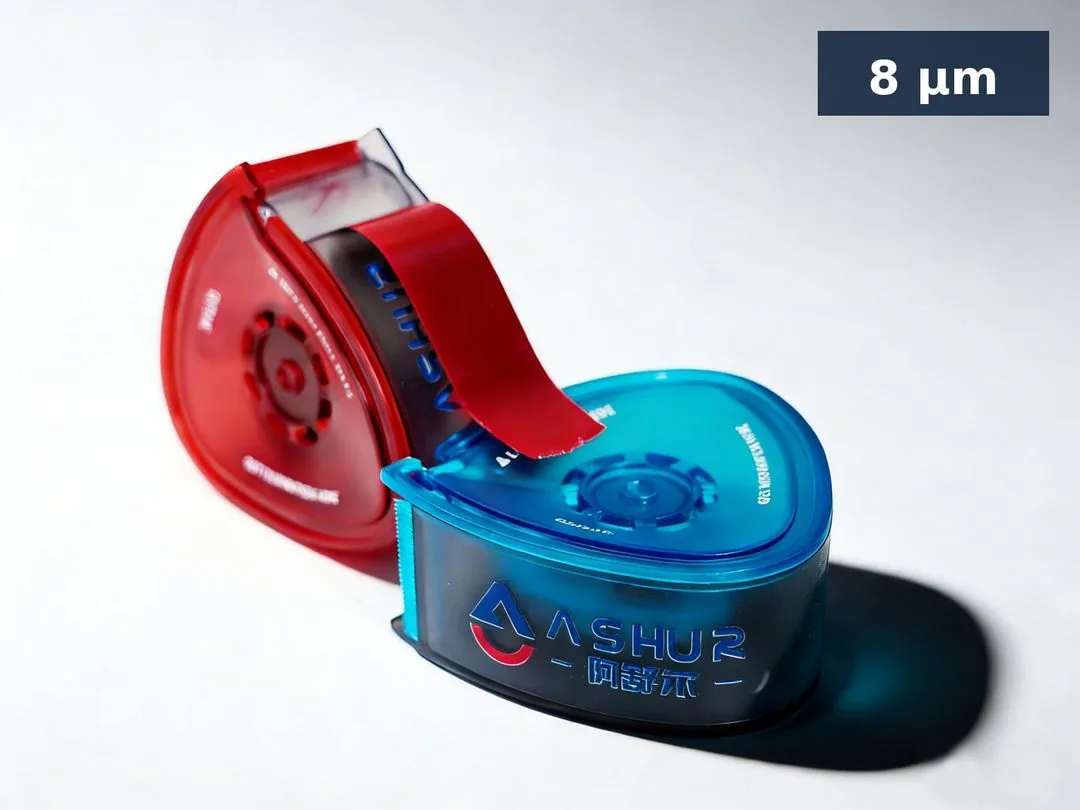
An ultra-thin option for observing contact marks with low material interference. Follow the product instructions.
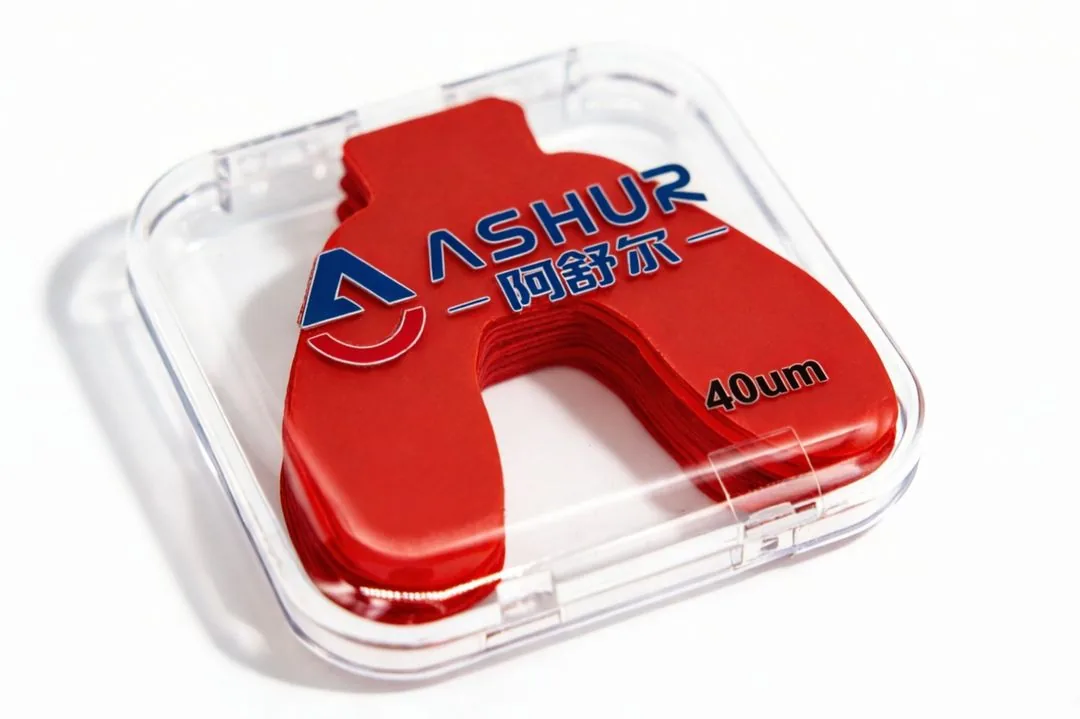
A thin option for comparing contact-mark locations. Marks should be interpreted together with the clinical examination.
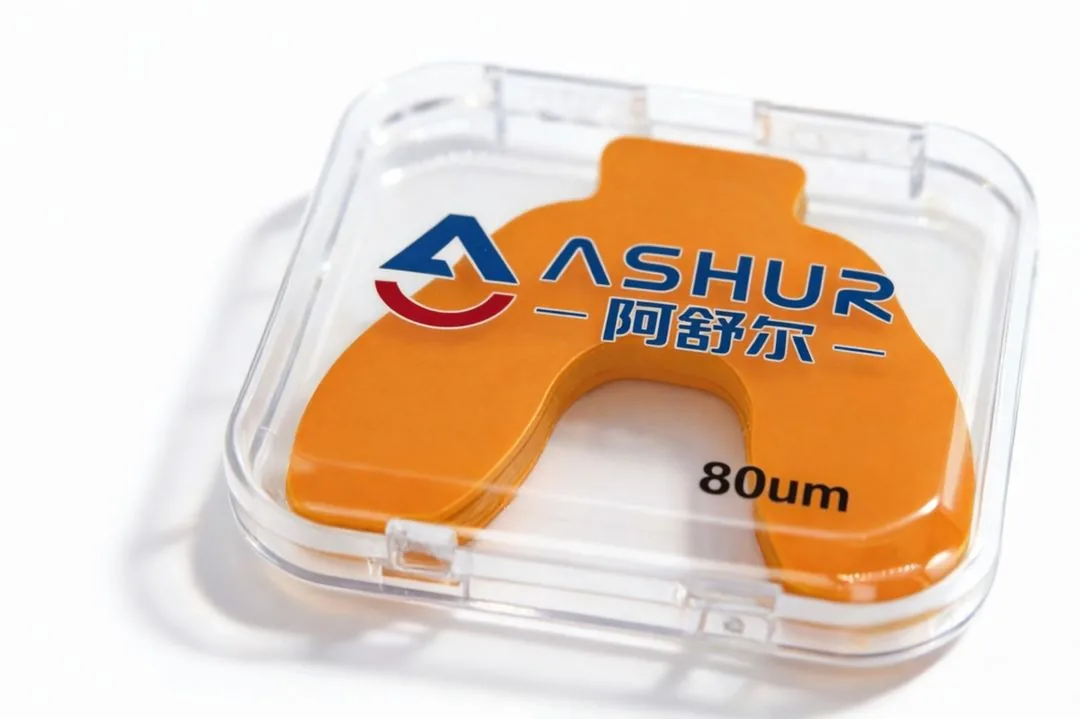
An intermediate option within the displayed thickness range. Refer to the product instructions to confirm appropriate use.
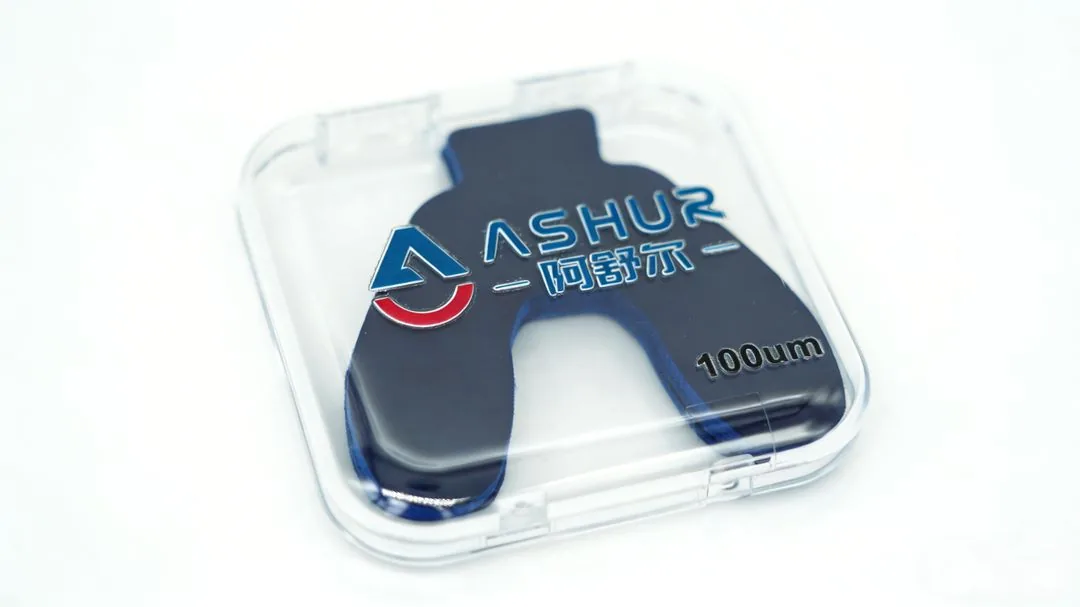
A thicker option for observing the distribution of contact marks. Mark size alone does not measure occlusal force.
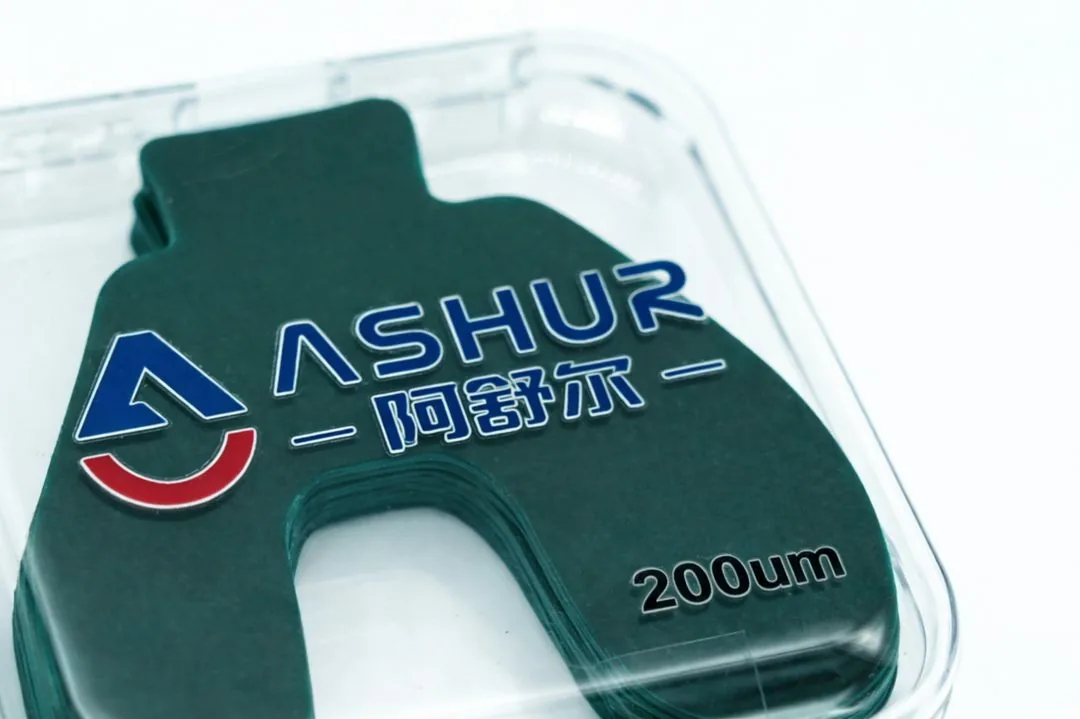
A thicker option for a general view of contact before considering thinner options where appropriate.
Marking can vary with thickness, moisture, bite technique, and operating conditions. This information is general and does not replace the product instructions or clinical judgment.
Points to review
ASHUR occlusal paper uses a microcapsule-based color-transfer layer that releases marking material under pressure to help visualize contact locations. Marking performance can vary with paper thickness, moisture, bite technique, and other clinical conditions.
Technical Specifications:
Presentation Value:
The microcapsule color-transfer structure provides visible contact marks that can support contact observation and chairside communication.
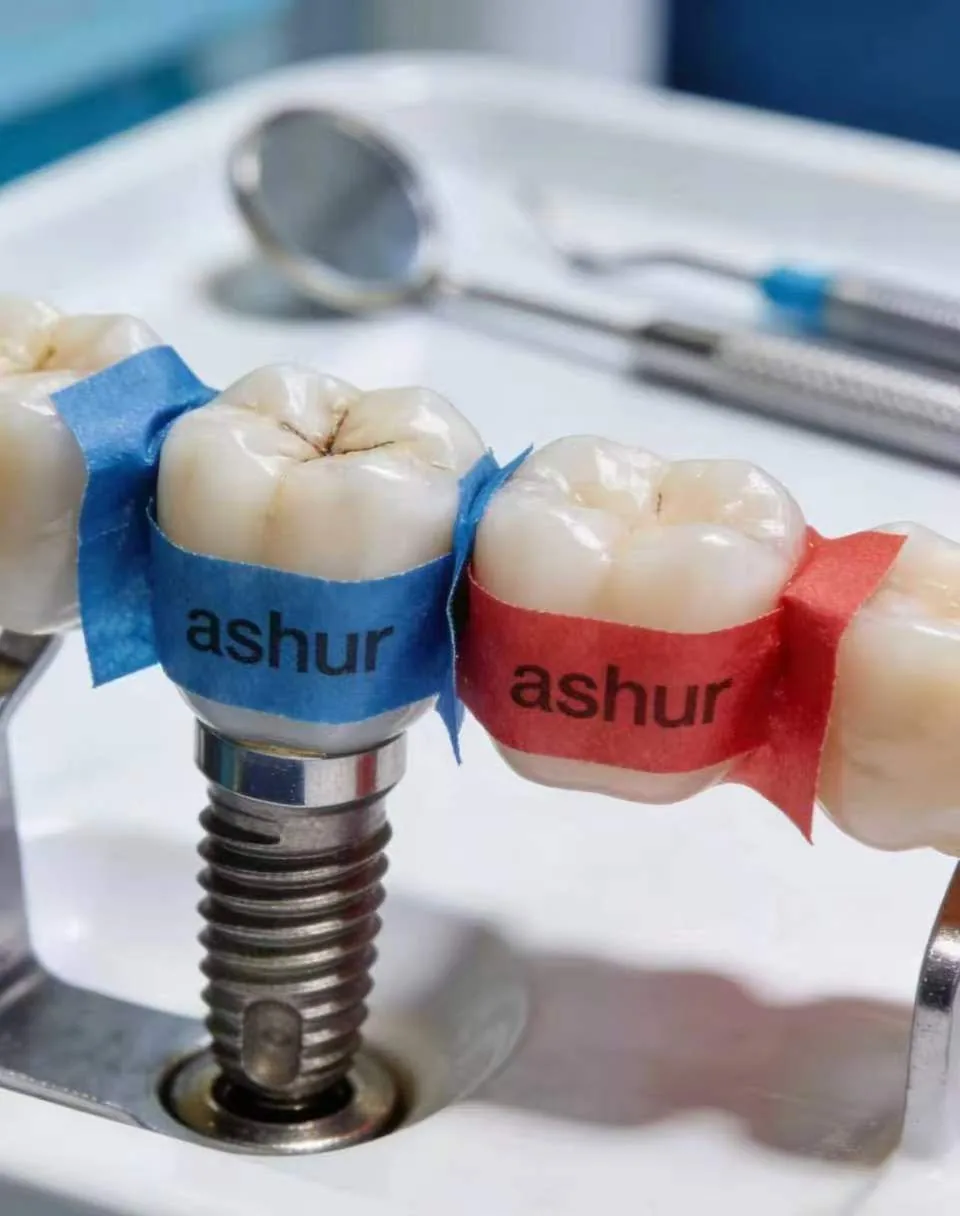
Implant-supported restorations require careful assessment of occlusal contacts. Thinner options such as 8 μm and 40 μm can support fine contact visualization, but articulating-paper marks alone do not quantify occlusal force.
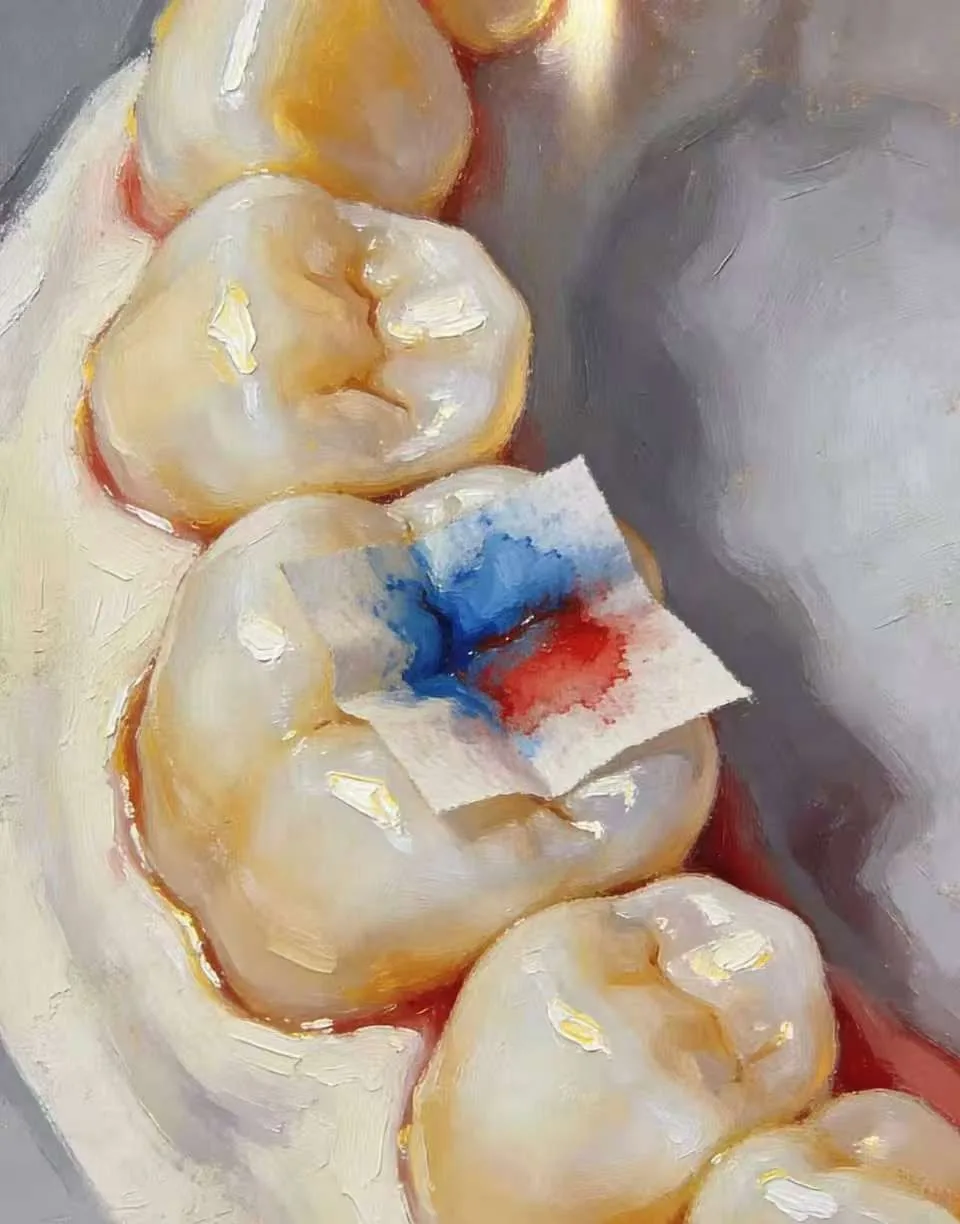
Thinner options may help show contact locations around aesthetic restorations when used according to the product instructions.
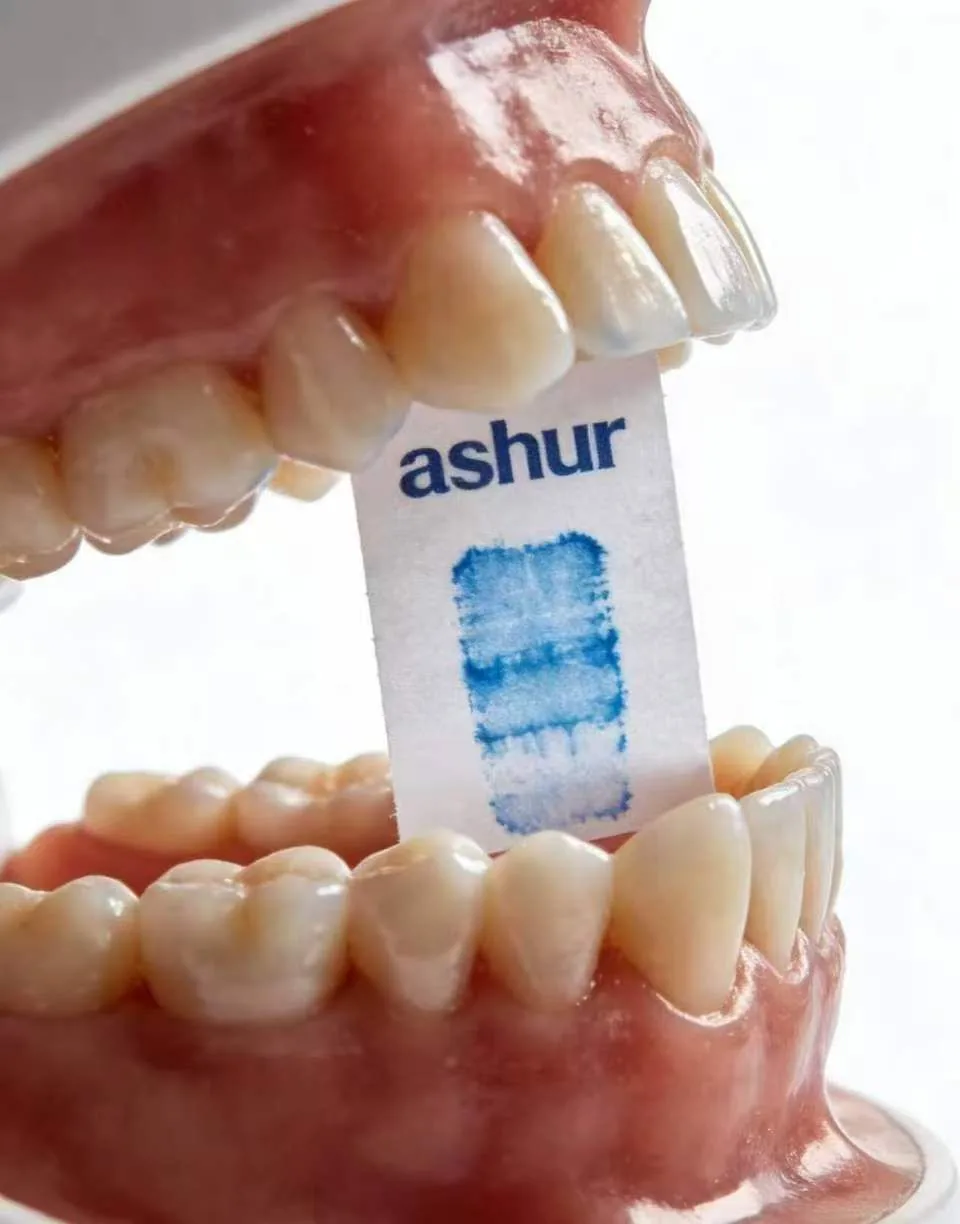
Multiple thickness options provide different ways to visualize contact locations in complex cases. The appropriate sequence depends on clinical judgment.
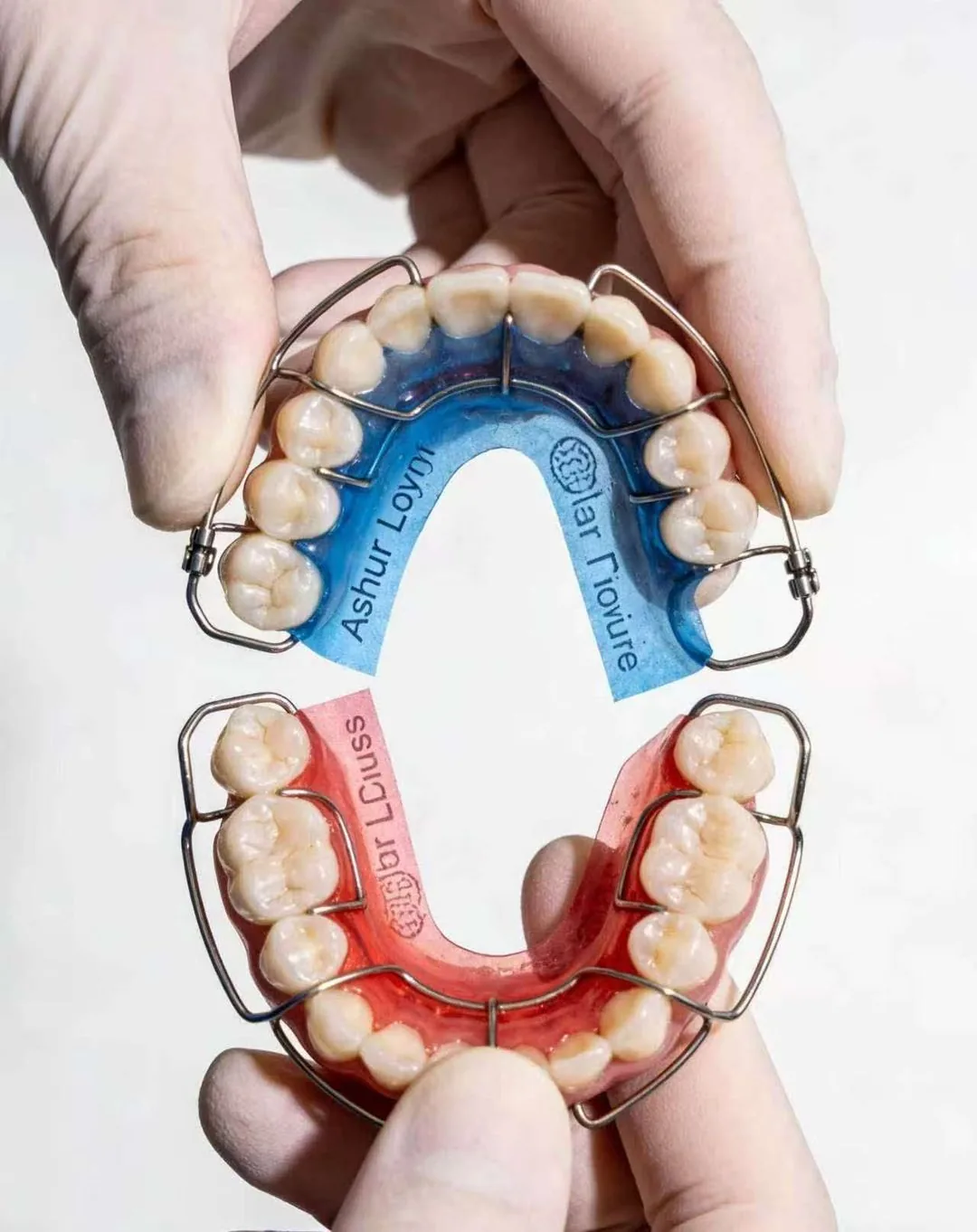
For orthodontic or sensitivity-related cases, the dental professional should determine an appropriate contact-checking approach for the individual patient.